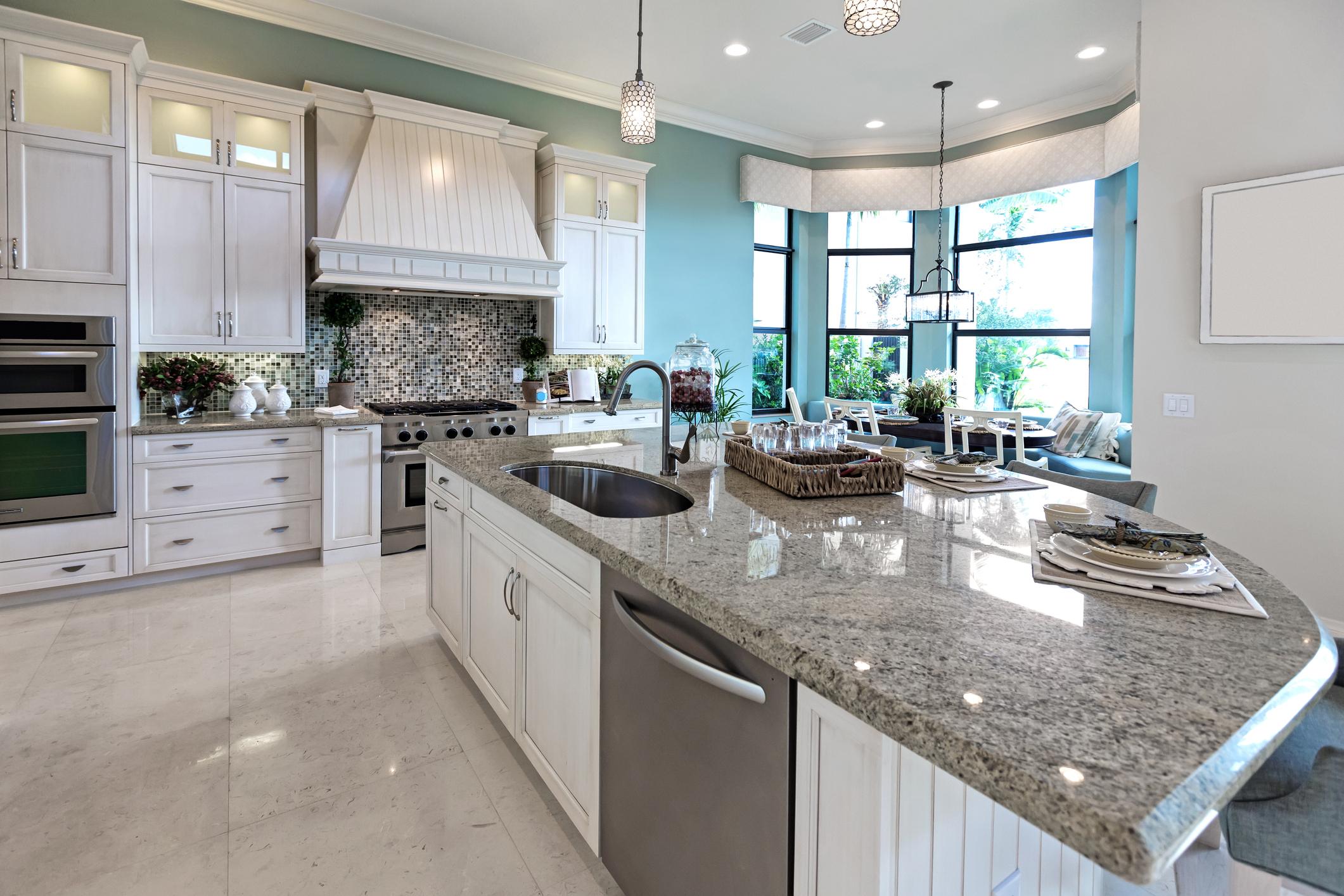
Is Granite Durable? Yes - Naturally Beautiful - Durable for Countertops
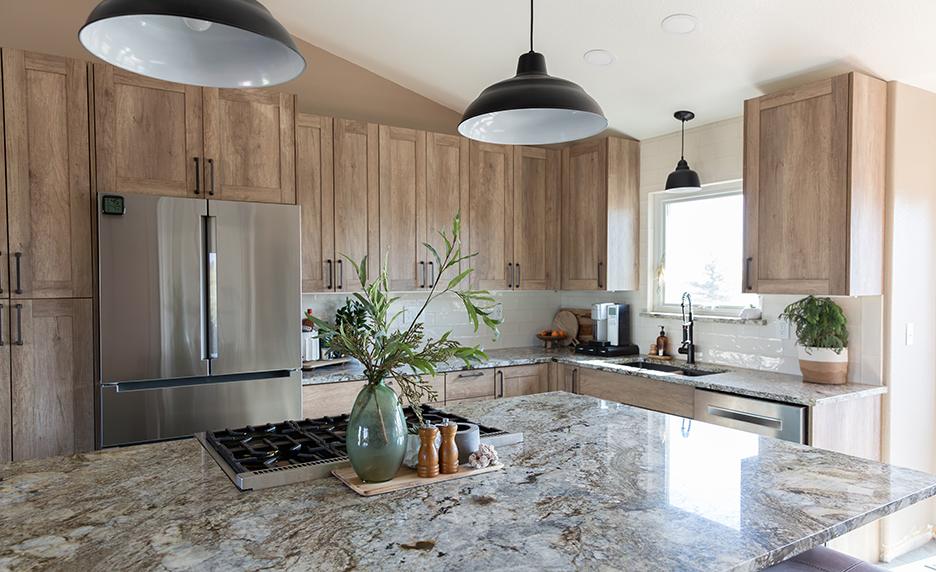
Granite is one of the most popular choices for countertops, and it’s no mystery why. Known for its natural beauty and high-end appearance, granite also stands out when it comes to durability. But what exactly makes granite such a long-lasting material, and why should you consider it for your home?
Granite is an Igenous Rock
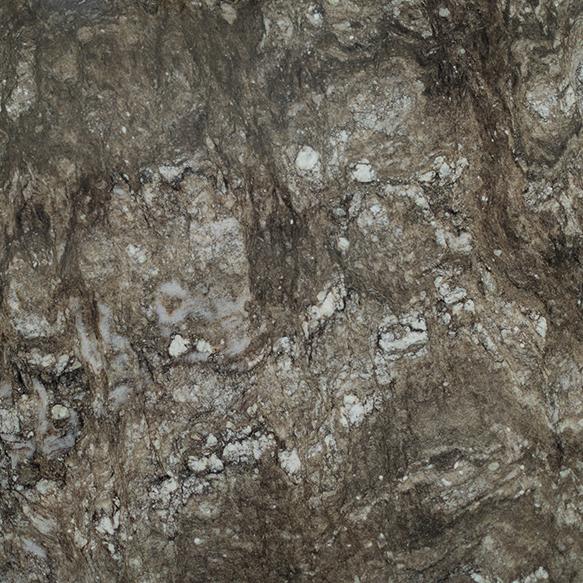
Granite is an igneous rock, formed under extreme heat and pressure deep within the Earth’s crust. This natural formation process gives it remarkable strength and resilience. Once properly installed and sealed, a granite countertop can easily withstand the daily wear and tear that comes with meal prep, heavy cookware, and even the occasional spill. While no surface is completely invulnerable, granite is highly resistant to scratches, chips, and cracking.
Granite Has Low Porosity
In addition to its strength, Granite has a low porosity when sealed correctly. A good choice for stone countertops, granite will not easily absorb liquids, making it less prone to staining. Spills of coffee, juice, or wine can be wiped away without leaving lasting marks, as long as the countertop is cleaned promptly. That’s one of the reasons why sealing is such an important step in granite countertop maintenance—it ensures that the surface remains durable and easy to clean over time.
Granite’s heat resistance is another significant advantage. Homeowners love that they can place hot pans or pots directly on the countertop without worrying about scorching the surface. While it’s always a good idea to use a trivet or pad as a best practice, granite’s natural ability to handle heat makes it a kitchen-friendly material that can stand up to culinary demands.
Choose Granite
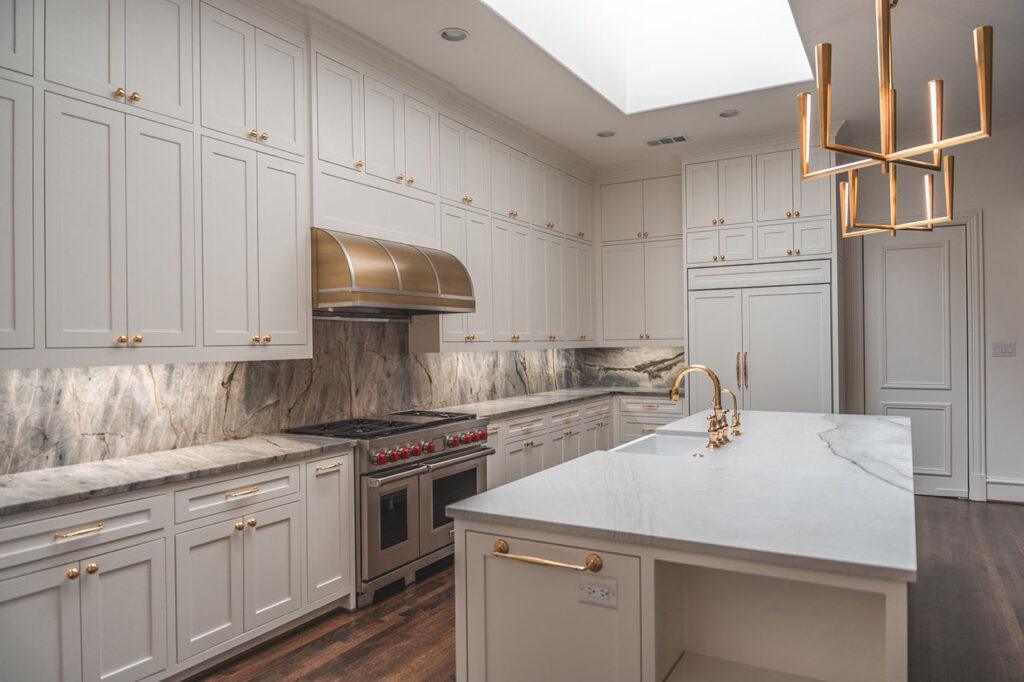
Invest in a surface that doesn’t just look good—it’s built to last. Texas Counter Fitters, we are craftsmen of natural stone, and take pride in offering a wide selection of high-quality granite to suit any style and project. Our team can help you find the perfect slab to match your home’s aesthetic while ensuring that you’re getting a durable, long-lasting product. Whether you’re renovating your kitchen, updating a bathroom, or starting a new build, granite is a proven material that delivers both beauty and durability.
Strength, Resistance to Scratches and Heat
Granite’s strength, resistance to scratches and heat, and relatively low maintenance requirements make it one of the most durable countertop materials on the market. When you invest in granite, you’re choosing a surface that not only enhances the look of your home but also stands up to the challenges of everyday life. With proper care, your granite countertops will continue to impress for years to come.
Premium Stone Slabs for Your Designed Spaces Build natural stone beauty into home and commercial designs with premium stone slabs. Call us today at 469.779.9999 or email info@texascounterfitters.com to schedule your consultation. Visit our showroom in Richardson, TX, to browse our extensive collection and discover the perfect countertop for your space.