What Is the Difference Between Quartz and Granite?
When choosing a countertop material, understanding the differences between quartz and granite can help you make the best decision for your home. While both materials are popular for their durability and aesthetics, they have distinct properties that set them apart.
1. Material Composition
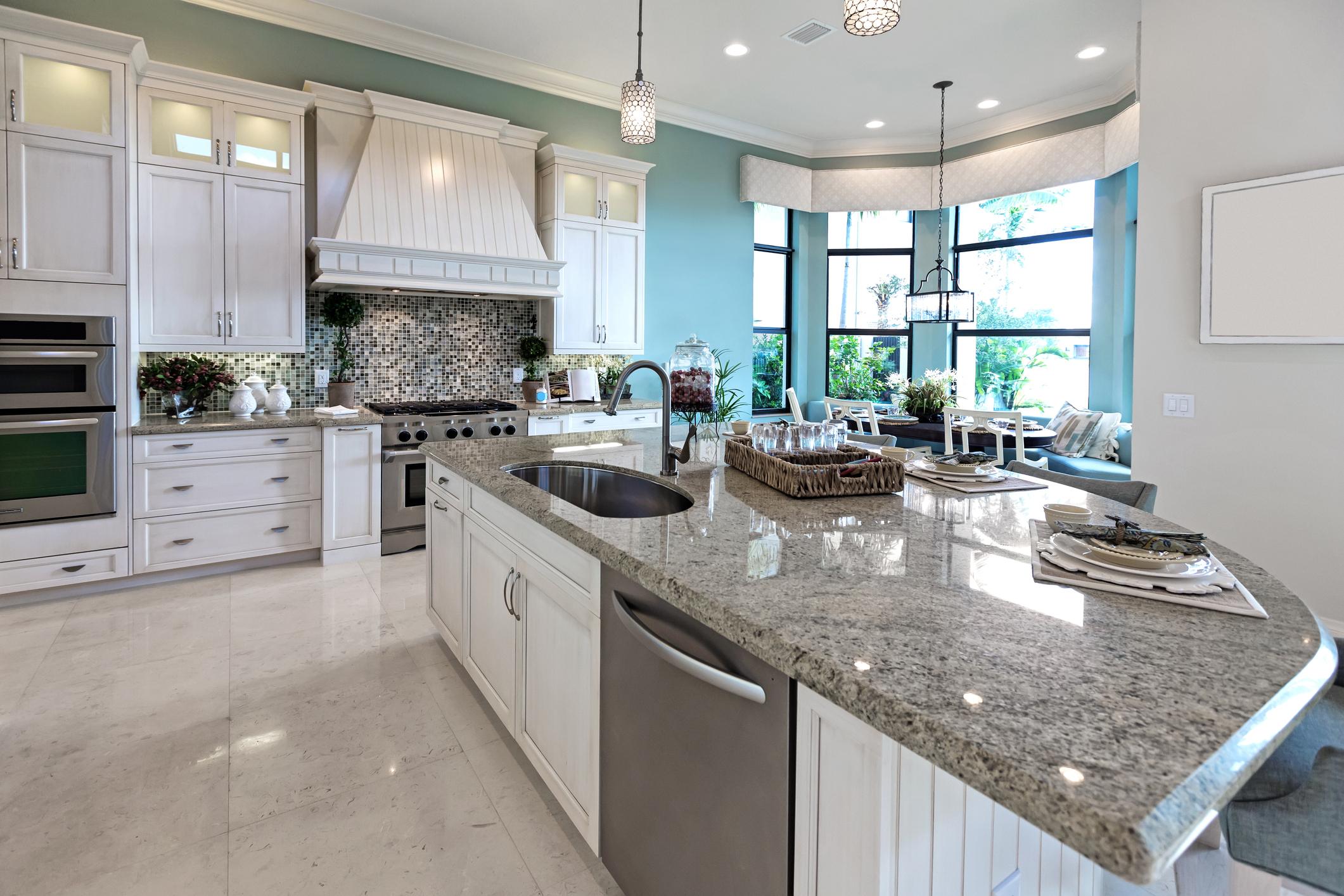
Granite is a natural stone, quarried directly from the earth. Texas Counter Fitters sources its stone from around the world including Brazil, Italy, China, India, Australia and more–including right here in Texas. Granite is composed of various minerals, including quartz, feldspar, and mica, giving it unique patterns and variations. Because no two slabs are identical, granite provides a one-of-a-kind, organic look.
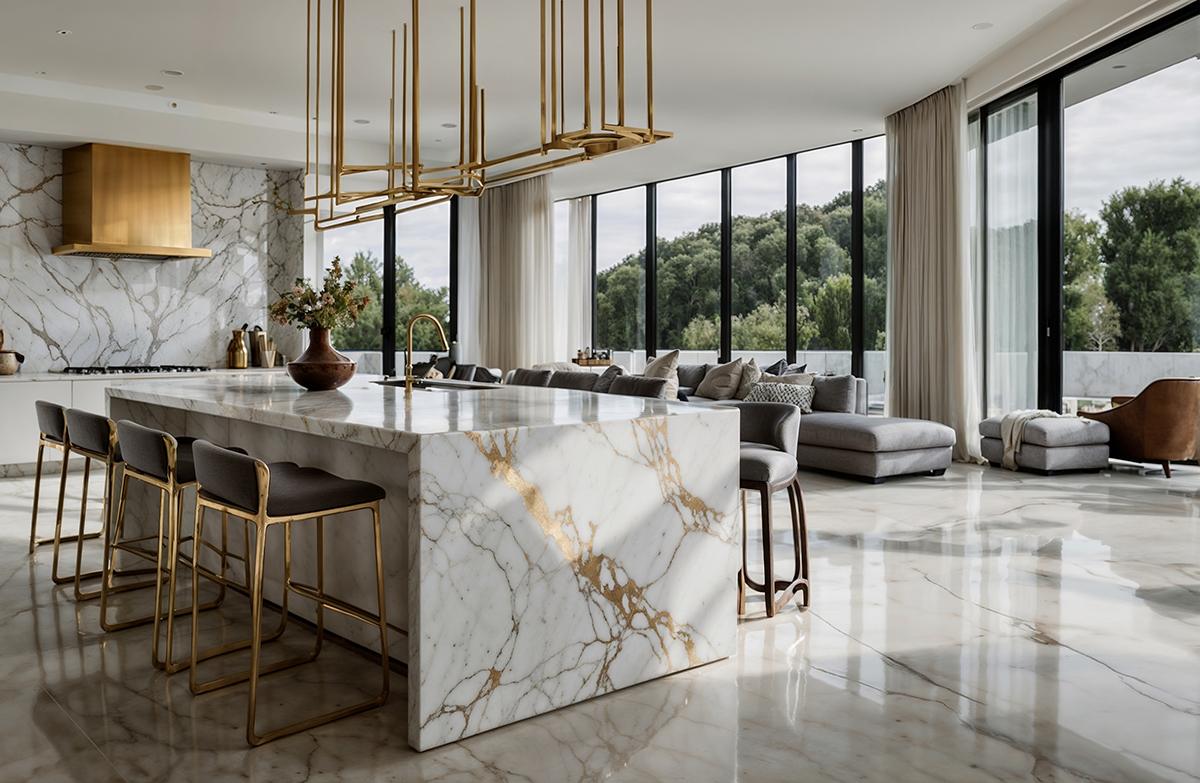
Quartz, on the other hand, is an engineered material. It’s made by combining natural quartz crystals with resins, pigments, and sometimes other materials like recycled glass. This manufacturing process creates a uniform appearance and offers a wider range of colors and patterns.
2. Appearance and Design
Granite’s natural beauty is one of its biggest selling points. Each slab has its own unique pattern, making it an excellent choice for homeowners who want a truly distinctive look. However, the color and pattern options are guided by what nature provides.
Quartz countertops, because they are engineered, can be produced in a vast array of colors and designs. They can mimic the look of natural stone or offer more consistent, modern aesthetics. If you’re looking for a specific color or pattern that isn’t readily available in granite, quartz could be the better choice.
3. Durability and Maintenance
Both quartz and granite are durable, but there are differences in how they handle certain conditions.
Granite: While very hard and heat-resistant, granite is naturally porous and requires regular sealing to maintain its resistance to stains and bacteria. Without proper sealing, it can absorb liquids, leading to stains over time.
Quartz: Quartz is non-porous, meaning it doesn’t require sealing. It resists stains, scratches, and bacteria more effectively than unsealed granite. However, it’s slightly more vulnerable to heat damage, so placing a hot pan directly on quartz can potentially cause discoloration.
4. Cost and Value
The cost of granite and quartz varies depending on the quality, color, and design. Granite is generally considered more affordable at the entry-level but can become quite expensive for rarer, exotic slabs. Quartz tends to have a more consistent price point, often slightly higher than basic granite, but offers consistent quality and lower maintenance costs over time.
5. Environmental Considerations
Granite is a natural material, but quarrying it can have environmental impacts. Quartz is engineered, which can involve energy-intensive manufacturing. Some quartz brands focus on incorporating recycled materials or using more sustainable production methods. Texas Counter Fitters takes great pride in working directly with companies around the globe who care about the earth and their employees. Traveling to visit the quarries and welcoming global companies into the showroom are top priorities for Texas Counter Fitters leadership.
6. Longevity and Resale Value
Both granite and quartz are long-lasting materials that add value to your home. Granite’s natural uniqueness and durability are often seen as a premium feature, while quartz’s ease of maintenance and consistent appearance appeal to many modern buyers. The “best” choice depends on your priorities—whether you prefer natural beauty and heat resistance or low maintenance and a broad selection of styles.
Conclusion
The primary differences between quartz and granite come down to composition, appearance, maintenance, and heat resistance. Granite offers natural, one-of-a-kind patterns and excellent heat tolerance, while quartz provides a wide variety of consistent colors and is low-maintenance due to its non-porous surface. Ultimately, your choice will depend on your style preferences, lifestyle needs, and budget.